It was Melissa’s mum who first suggested doing something big for Sebby. For people to donate their hard-earned cash, she wanted a challenge that would demand real effort and push them out of their comfort zone.
After doing some research, they discovered the 100km Ultra Challenges. They settled on the Cotswold Way Challenge as it was near Melissa’s home. But when her mum became unwell just before the event, Melissa decided to go it alone.
“I work from home and live away from family,” Melissa explains, “and life can get a bit mundane, so signing up to the walk gave me motivation to get outside and get fit, as well as raise awareness about mitochondrial disease and give something back to The Lily Foundation in Sebby’s memory.”
Training for an Ultra walking challenge
In training for that challenge, Melissa discovered a new, adventurous side of herself, exploring footpaths along the Thames near her home, walking to surrounding villages and planning routes across fields with an OS map and compass.
“I saw the countryside in a different way,” she says. “I got to see wildlife and explore new places. I’d persuade my eldest son to join me, and we’d walk along the Ridgeway, go on adventure hikes across the fields with the cows or conquer Pen-y-Fan.”
The challenge itself was one of the hardest things Melissa’s ever done. “I remember being on the start line, alone, surrounded by excited participants but all I felt was an overwhelming sense of sadness. With tears in my eyes, I put one foot in front of the other and walked, which in a way is what it feels like to be a family living with mitochondrial disease.”
At 6am on day two, Melissa was nauseous and close to pulling out. A group of fellow walkers took her under their wing and carried her forward with their contagious enthusiasm.
“I thought how hard each day is for our mito warriors,” says Melissa, “and I wanted to finish the walk for them. It took me till 10pm but I did it, and my eldest son and husband greeted me at the finish line. I couldn’t believe I’d managed it. I think whatever challenge you’re taking on, it’s the support of others that gets you through hard times. You just never know when or where that support will come from.”
Turning fundraising walks into community
After completing the Cotswold Challenge, Melissa caught the walking bug. She went on to tackle the 50km Wye Valley with a friend, followed by the Chiltern Challenge.
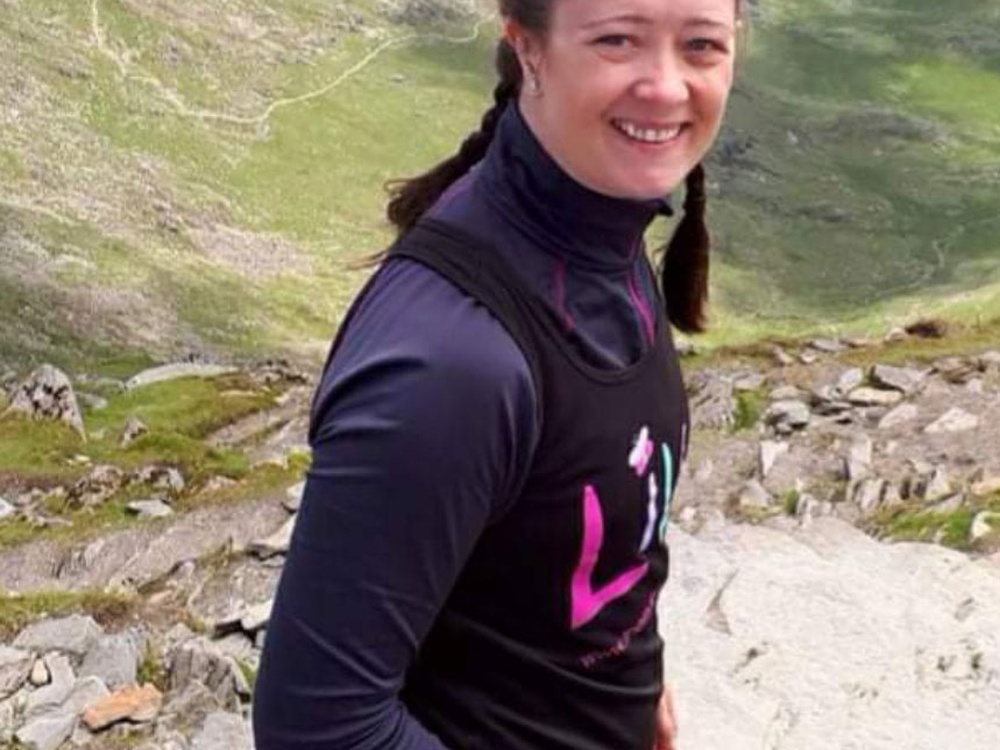
“I signed up to do it with my mum, so she could complete the challenge she’d set herself at the start of the year,” Melissa says. “We inspired some friends to join us, and we walked together wearing Lily tops. It was a lovely ending to my Ultra Challenges for that year.”
Those group challenges became some of her most treasured memories, and that same spirit now lives on in Team Sebby, the fundraising page Melissa’s created to honour her son. Over the years, the team has raised more than £30,000 and counting for The Lily Foundation.
During fundraisers she carries a picture of Sebby on her rucksack, and people often stop to ask about him. “Sometimes when I tell them his story it moves them to tears. Some people have handed me donations during the challenge, even if they’re walking for their own charity. People have the biggest hearts.”
Raising awareness of mitochondrial disease
For Melissa, walking is about more than fundraising – it’s become an important way to raise awareness of mitochondrial disease too. Whilst recovering from the Chiltern Challenge back in 2018, she heard about a charity walk Jamie Theakston was doing for Global’s Make Some Noise. When she realised the route would pass right by her home, she knew it was too good a chance to miss.
“The Lily Foundation was one of the charities Jamie was raising money for,” Melissa recalls, “so I wanted to talk to him about mitochondrial disease to give him a better idea of what it is and how it affects families. I walked 20km with Jamie and his team and told them all about Sebby and The Lily Foundation.”
Melissa ended up being interviewed twice on Jamie’s radio show and even spoke to ex-Spice Girl Emma Bunton. “I would’ve kept walking and talking all the way to London given the chance,” she laughs. “I don’t think I would’ve been brave enough to do that if I hadn’t already taken on my own personal challenge. I was honoured to be able to represent Lily and help get lots of coverage.”
The mental health benefits of walking
Walking has played an important role in supporting Melissa’s mental wellbeing. “Walking relieves stress, and that helps the whole family,” she explains. “My husband’s job can be quite pressured and it’s no good having both of us being stressed, so walking helps me a lot. You want to set a good example for your children and look after your own mental health. If you want your kids to go out and exercise, you need to be prepared to do so yourself.”
And true to her word, Melissa often goes rock climbing and cycling with her eldest, who encourages her to get stuck in. “You’ve got to be positive,” she says, “step outside your comfort zone and try to lead by example. It helps strengthen bonds between us all and encourages communication.”
Melissa once heard someone say you’ve got to be thankful for something in your life every day. “Walking helps me do that,” she says. “Even walking alone can take me out of my sadness and help me appreciate what I’ve got. The freedom to go walking in different places, out in nature, meeting people along the way, gives me strength. Without that I might have just sat down after Sebby died and not done much.”
How walking became a way to honour Sebby
Melissa’s journey shows that we never fully know what we’re capable of until we try. The hardest thing she found was getting motivated in the first place, but walking for Sebby helped her transform her grief into action and raise vital awareness of mitochondrial disease.
“Every mile walked carries Sebby’s memory forward. Everyone involved with Lily knows about mitochondrial disease, so it’s easy to forget that outside of that circle lots of people have never heard of it. It’s important to get out there, share your story and help spread the word. You can’t wait for someone to come and pick you up and encourage you outside. You can do whatever you want, when you want – you just need to have the courage.”
She’s grateful for the support of her family and friends, and proud that she’s been able to complete her challenges for Sebby and inspire others along the way. “However ill Sebby was, I’m thankful that as a family we had those five years with him. Sebby left wonderful memories in many people’s hearts, and I’m grateful for every single one.”
Inspiring others this National Walking Month
Melissa hopes her story will inspire others to take that first step. If you’ve been thinking about starting your own fundraising challenge, why not make it an Ultra Challenge? Gather a team, take on an unforgettable route and walk with purpose. Because every step you take can help fund vital research, support families and bring us closer to a future free from mitochondrial disease.