


What is MitoPerturb-Seq?
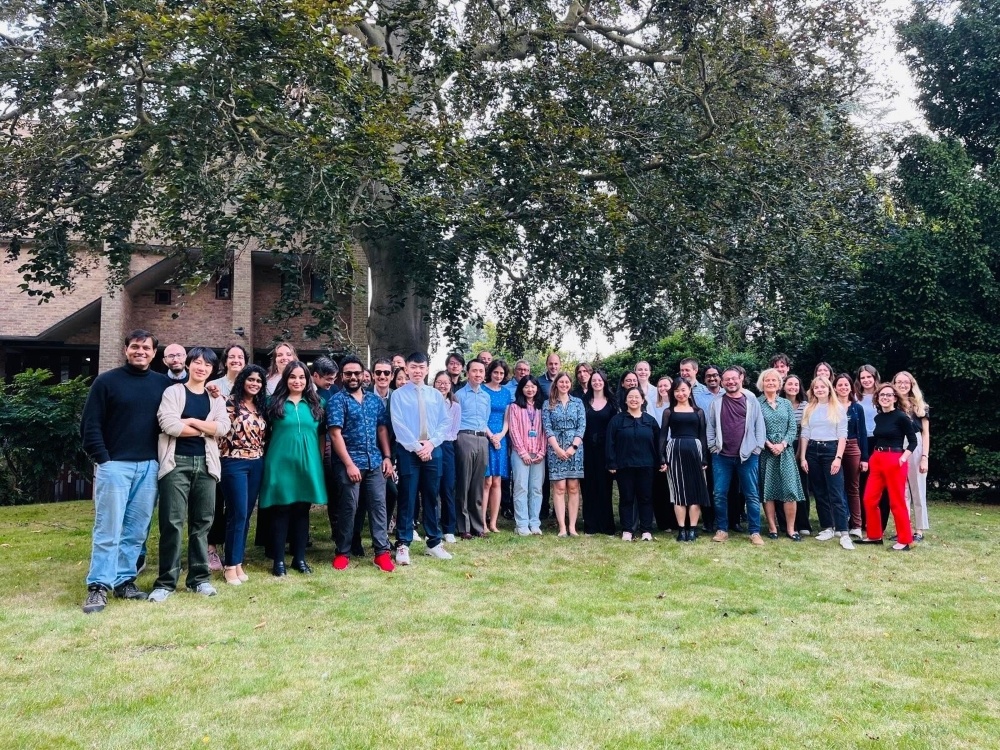
MitoPerturb-Seq is a new laboratory method developed by researchers including first authors Dr Stephen Burr and Dr Kate Auckland, alongside a team led by Dr Jelle van den Ameele and Professor Patrick Chinnery. It allows researchers to change specific genes and measure what happens inside individual cells.
The name can be broken down into three parts:
- ‘Mito’ refers to mitochondria
- ‘Perturb’ means to deliberately change something
- ‘Seq’ refers to sequencing, a way of reading DNA or RNA
In simple terms, researchers can ‘switch off’ specific genes (sections of DNA that provide instructions for the cell) so certain proteins are no longer made. They can then measure what happens inside each cell by analysing DNA (the cell’s instruction manual) and RNA (a temporary copy used to make proteins).
Proteins carry out most of the cell’s functions, including those needed to keep mitochondria working properly.
What question were the researchers asking?
Within almost all the cells in our body, there are two sets of genetic material. One set is inherited from our parents and stored in the cell’s nucleus, known as nuclear DNA.
Mitochondria, which produce energy for the cell, have their own DNA, known as mitochondrial DNA or mtDNA. This provides part of the instruction manual for energy production but relies on the nucleus and the proteins made there to function properly.
Not all copies of mitochondrial DNA are identical within a cell (a feature known as heteroplasmy), and this can affect how well the cell works. When too many copies are damaged, this may lead to mitochondrial disease.
Researchers wanted to understand which nuclear genes help maintain and control mitochondrial DNA, and how cells detect and respond to changes.
What did they do?
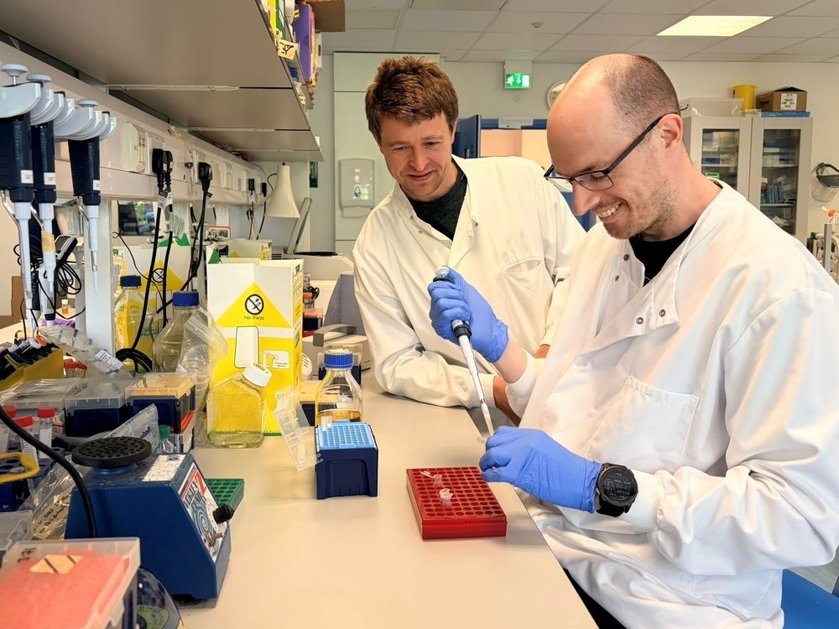
The researchers selected genes in the nucleus thought to help maintain mitochondrial DNA. They then switched off each gene, one at a time, across many thousands of cells.
When a gene is switched off, the cell can no longer make the protein it normally produces. This allows researchers to see what role that protein plays and how the cell responds in its absence.
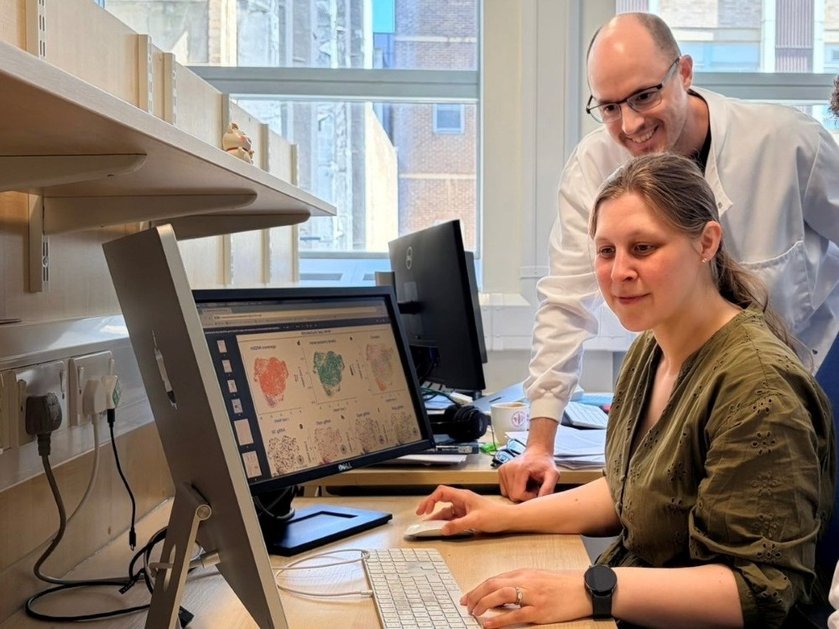
They then studied each individual cell, measuring how much mitochondrial DNA was present, how much was altered (‘heteroplasmy’), which nuclear genes were active and which gene had been switched off in each cell.
By measuring all of this within the same cell, the researchers were able to directly link a specific gene change to what happened inside that cell, and to see how cells respond to changes in mitochondrial DNA.
What did they find?
They identified three genes, TFAM, OPA1 and POLG, already known to be important for maintaining mitochondrial DNA.
When these genes were switched off, the amount of mitochondrial DNA decreased, and cells showed more variation in how much mutated mtDNA they contained.
Each gene also produced a distinct pattern of response, showing that different genes affect mitochondria in different ways, rather than simply changing how much mitochondrial DNA is present.
How did cells respond?
When mitochondrial DNA was reduced, cells activated a stress response, which helps them cope with the change. The strength of this response varied depending on which gene had been switched off.
For example, switching off OPA1 caused a stronger response than the others, even though it led to a smaller reduction in mitochondrial DNA.
This shows that different types of mitochondrial change can trigger different responses, and that the cell’s reaction is not only about how much mitochondrial DNA is lost.
What else did the study show?
The researchers also looked at how mitochondrial DNA changes as cells go through their normal life cycle, including when they divide.
They found that mitochondrial DNA increases as cells move through different stages of this cycle.
This suggests that mitochondrial DNA is copied in a way that’s not tightly linked to the main cycle of cell growth and division, and may be more independently regulated than previously thought.
Why is this important?
A key strength of this study is that it looks at individual cells rather than averaging results across many cells.
This matters because each cell can have different levels of mitochondrial DNA, different levels of damage, and may respond differently to the same change.
Previous studies often looked at large groups of cells, which can hide these differences – rather like trying to work out which ingredient in a blended smoothie is causing it to taste bad.
By studying cells one by one, researchers can begin to understand why some cells are more affected than others. This is important for understanding symptoms and for developing treatments.
What are the limitations?
The study was carried out in mouse cells. While useful, these don’t fully replicate human cells, so the findings may not directly translate to people.
Only a small number of genes were tested, so other important genes may not yet have been identified.
The study focused on a single type of mitochondrial DNA change, so further work is needed to understand how widely these findings apply.
Overall, this is an early step, and more research will be needed – including in human cells and across a wider range of conditions.
What happens next?
Future work will aim to:
- Study more genes
- Include more detailed measurements
- Examine different mitochondrial DNA mutations
- Study a wider range of cells from different parts of the body, including those commonly affected by mitochondrial disease such as muscle, brain and eyes
Over time, this approach may help identify new ways to understand and treat mitochondrial disease.
What does this mean for people affected by mitochondrial disease?
This research doesn’t change current treatment. However, it does help build a clearer picture of how mitochondrial DNA is controlled and how cells respond when it’s affected.
It shows that:
- Cells can respond differently to the same mitochondrial problem
- Different genetic changes can lead to different cellular responses
This growing understanding may help guide future research and support the development of more targeted therapies.
The bottom line
Mitochondrial disease can affect each person differently, and we don’t yet fully understand why.
This research shows that even individual cells can respond differently to the same problem. By studying cells one by one, scientists are starting to understand this variation more clearly.
This is an early step, but an important one in building the knowledge needed to develop future mitochondrial disease treatments.
Further reading
If you’d like to explore this research in more detail you can read the original research paper.
Or you can read an accessible summary of the study.