

On this International Day of Women and Girls in Science, we celebrate the women transforming research, challenging boundaries and improving lives.
Today, we’re proud to spotlight Dr Thiloka Ratnaike, prize-winning Paediatric Neurology Registrar at Bristol Children’s Hospital, and Katie Waller, Head of Patient Programmes at The Lily Foundation – two women whose collaboration is advancing understanding of childhood epilepsy linked to mitochondrial disease as well as ensuring that patient voices shape the future of science.
Decoding genetic disorders in childhood epilepsy
When Dr Ratnaike began developing her research project, Decoding Genetic Disorders in Childhood Epilepsy, she knew one thing for certain: the voices of families needed to be part of the journey.
Her research aims to better understand the genetic causes of epilepsy in children living with mitochondrial disease – work with the potential to improve diagnosis, guide treatment and shape the future of care. But to make the research truly meaningful, it needed to reflect real-world experiences.
That’s where Katie and The Lily Foundation’s IMPACT patient group came in.
After reaching out to Katie, Thiloka was able to connect with families and young people living with mitochondrial disease and epilepsy. What followed was more than a consultation; it was a conversation that shaped the direction of her work.
Families generously gave their time to share their experiences, challenges and hopes for the future. Their insights helped refine the research proposal and opened new perspectives Thiloka hadn’t previously considered.
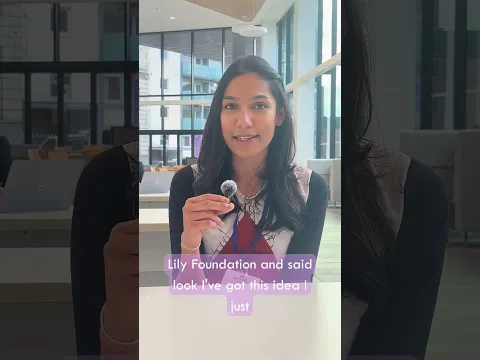
Reflecting on this collaboration, Thiloka said: “I reached out through The Lily Foundation because I had an idea and needed to connect with parents or young people living with epilepsy and mitochondrial disease. From that point, everything took off. I was connected with several families who gave their time one evening to speak with me for over an hour about their experiences.
“It truly helped shape my grant proposal and inspired me to think about aspects of the research I hadn’t considered before. The key takeaway for me was how inspired they were by what I’m trying to do, which motivates me even more to take this work forward. Thank you to the IMPACT group.”
This collaboration highlights the essential role of Patient & Public Involvement in research. By listening to lived experience, science becomes more meaningful, more relevant and more impactful.
Recognising dedication and impact
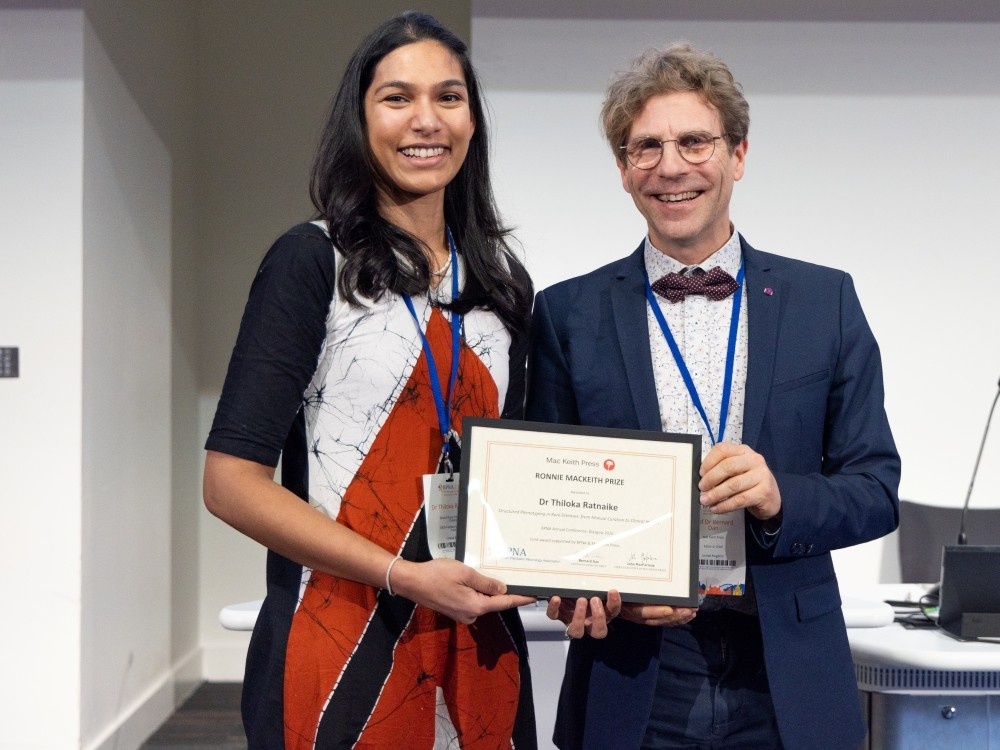
Thiloka’s commitment to advancing paediatric neurology has recently been recognised with one of the field’s most respected honours: the Ronnie MacKeith Prize, awarded by the British Paediatric Neurology Association (BPNA) to those who have made a significant contribution through published work.
This achievement reflects not only scientific excellence, but a deep commitment to improving the lives of children and families affected by complex neurological conditions.
Women driving change in science
Behind this work is a powerful partnership. Katie’s leadership in championing the patient voice ensured families were not just included, but central to shaping the research. Together, science and lived experience created something stronger – research rooted in real needs, real challenges and real hope.
Dr Thiloka Ratnaike and Katie Waller represent the power of collaboration, compassion and scientific excellence. Their work is not only advancing research but strengthening the bridge between science and the families it serves.
On this International Day of Women and Girls in Science, we celebrate their achievements, their partnership and their shared commitment to improving the future for children and families affected by mitochondrial disease and epilepsy.