

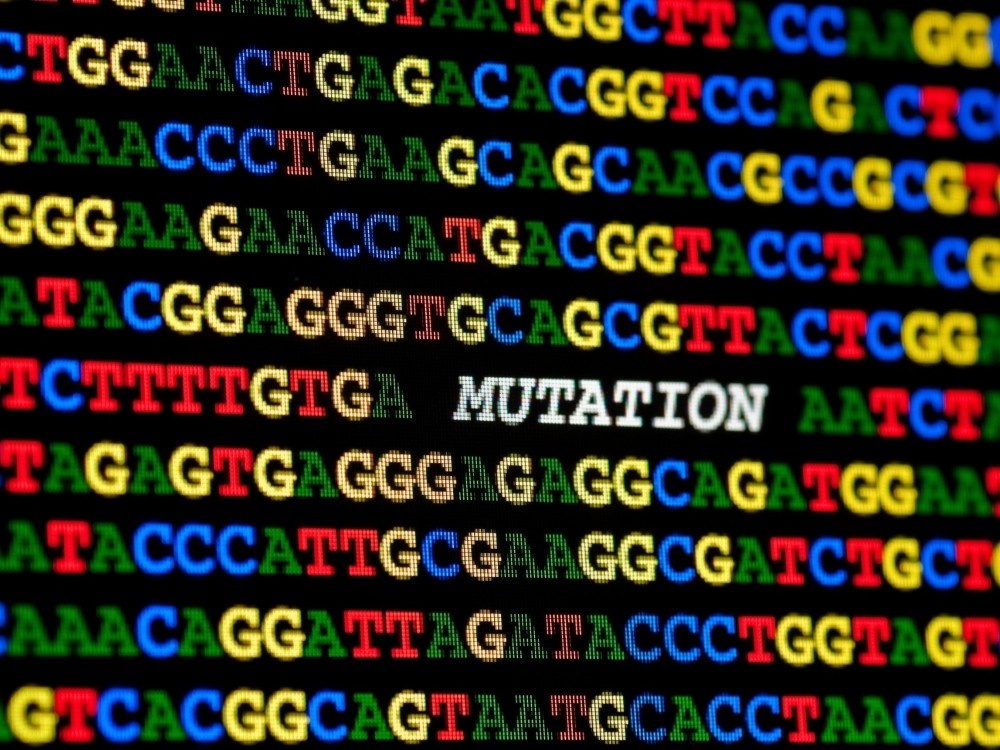
The m.3243A>G mutation is one of the most common disease-causing changes in mitochondrial DNA, but it doesn’t affect everyone in the same way.
For some people, it can be linked to severe neurological symptoms. For others, it may cause diabetes, hearing loss, milder symptoms or a very different mix of features. Some people are affected from childhood, while others may develop symptoms later in life, have milder symptoms or remain undiagnosed.
A new study involving specialist mitochondrial centres and research teams in the UK and Europe has looked into understanding why this is the case in people with the m.3243A>G mitochondrial DNA mutation.
What is the m.3243A>G mutation?
Mitochondrial DNA is the small amount of DNA found inside mitochondria, the tiny structures in our cells that help produce the energy our bodies need.
In m.3243A>G-related disease, changes in mitochondrial DNA can affect parts of the body with high energy needs, including the brain, muscles and heart. They can also cause hearing impairment and diabetes.
Some people with the m.3243A>G mutation develop a condition known as MELAS, which can involve serious neurological symptoms, including seizures, stroke-like episodes and encephalopathy, a serious problem with brain function.
Other people with the same mutation may develop diabetes and hearing loss, often called MIDD, or maternally inherited diabetes and deafness. Many people don’t fit neatly into one category. Some have a mixture of symptoms, some are more mildly affected, and some symptoms may change or appear over time.
This variation can make m.3243A>G-related mitochondrial disease difficult to predict, both for families and for clinicians.
Why doesn’t the mutation tell the whole story?
One important part of the picture is heteroplasmy.
Heteroplasmy means that a person’s cells contain a mixture of healthy and altered mitochondrial DNA. In general, having a higher level of altered mitochondrial DNA can increase the chance of symptoms.
Heteroplasmy is important, but it’s not a perfect predictor. It can vary between different tissues in the body, and even people with similar levels of the m.3243A>G mutation can be affected in very different ways. Other factors, including age and gender, may also make a difference.
Even when researchers take these known factors into account, a lot of the variation between people is still unexplained. This suggests that the m.3243A>G mutation is important, but it doesn’t act alone.
Could the rest of our DNA matter too?
The study in question looked at whether part of the answer could lie in the rest of our DNA.
Most of our DNA is found in the cell nucleus, known as nuclear DNA. Although mitochondria have their own set of genetic instructions, known as mitochondrial DNA, they still rely heavily on nuclear DNA for many of the instructions they need to work properly. Read what the difference is between the two types of DNA.
This means that differences in a person’s nuclear DNA could affect how a mitochondrial DNA change shows up in the body. These kinds of genetic differences are known as ‘modifier’ factors.
How did the researchers study this?
The research team brought together genetic and clinical information from 488 people with the m.3243A>G mutation, recruited through specialist centres in the UK and Europe.
They focused on four features often linked with m.3243A>G-related disease: encephalopathy, stroke-like episodes, diabetes and hearing impairment.
Then they looked for patterns in people’s nuclear DNA. In simple terms, they examined whether people who developed a particular symptom were more likely to share certain areas of nuclear DNA with each other.
This kind of study doesn’t immediately identify one gene or prove that a gene causes a symptom, but it can point researchers towards areas of DNA that may be worth looking at more closely.
What did they discover?
The clearest finding was linked to encephalopathy, a serious problem with brain function that can happen in MELAS.
The researchers found that a particular area of nuclear DNA seemed to be shared more often by people who developed encephalopathy. This suggests that one or more genes in that area may help influence who develops this serious neurological feature.
They also found early clues that other parts of nuclear DNA may be linked with severe neurological symptoms, including stroke-like episodes. These findings need more research before scientists can be sure.
The same kind of clear pattern was not found for diabetes or hearing impairment, suggesting that different symptoms may be influenced in different ways.
Severe neurological features, such as encephalopathy and stroke-like episodes, may be shaped by a smaller number of nuclear genetic factors with stronger effects. Diabetes and hearing impairment may have a more complicated pattern, involving many genetic factors with smaller effects, alongside other influences.
Why is this important?
For families affected by mitochondrial disease, uncertainty can be one of the hardest things to live with.
People often want to know why one person in a family is more severely affected than another, why symptoms vary so much, and what the future might look like for children and relatives.
This study doesn’t yet give a simple answer for individual families, but it does help researchers build a clearer picture of why mitochondrial disease can be so variable.
In the future, understanding these extra genetic influences could help researchers identify people who may be at higher risk of certain symptoms. It may also point scientists towards biological pathways that could be explored for new treatment ideas.
What are the limitations?
This was a large study for a rare mitochondrial condition, but it was still small compared with genetic studies of more common diseases.
The researchers identified areas of nuclear DNA that may be important, but what they didn’t do was confirm that there’s a single gene responsible for the differences in symptoms. Some findings also need to be treated with caution until further studies confirm whether these DNA regions are truly linked to the symptoms seen.
The study mainly included people with European-like genetic ancestry, so future research will need to include more diverse groups. Because symptoms had to be grouped into broad categories, the study couldn’t capture every detail of each person’s symptoms or severity.
The bottom line
People with the same m.3243A>G mitochondrial DNA mutation can experience very different symptoms, and we don’t yet fully understand why.
This study suggests that part of the answer may lie in the rest of our DNA. Nuclear genetic factors may help influence how mitochondrial disease develops, especially when it comes to severe neurological features such as encephalopathy and stroke-like episodes.
This research matters because it helps build the knowledge needed to better understand why symptoms vary, and could support better prediction, more personalised advice and, eventually, new ways to treat m.3243A>G-related mitochondrial disease.