

Research Zone. categories: Research on the road,Re… - The Lily Foundation
The Lily Foundation logo featuring a butterfly, hearts and an 'x' for a kiss

Fighting mito,
finding hope.

Logo of the Lily Foundation's Research Zone Logo of the Lily Foundation's Research Zone

Research Zone

Welcome to The Lily Foundation’s Research Zone, your gateway to the latest breakthroughs, expert insights and cutting-edge developments in mitochondrial disease research.

Advancing mitochondrial disease research is vital for driving progress in understanding, diagnosing and treating this complex condition. The innovative projects and collaborations that are taking place right now are not only advancing science but also bringing hope to the patients and families who are part of our community.

Our hub will bring you the latest news, thought-provoking views and easy-to-understand summaries of ground-breaking studies. Stay connected with the people who are driving advances in mito research and explore how their pioneering work is paving the way towards better treatments and brighter futures, from clinical trials to emerging therapies. Step into a world where the fight against mitochondrial disease is happening every day.

Filter by category:

All Articles Research on the road Researcher spotlight PPIE round-up Science unwrapped Journal club Trials hub

Science unwrapped
25 April 2026

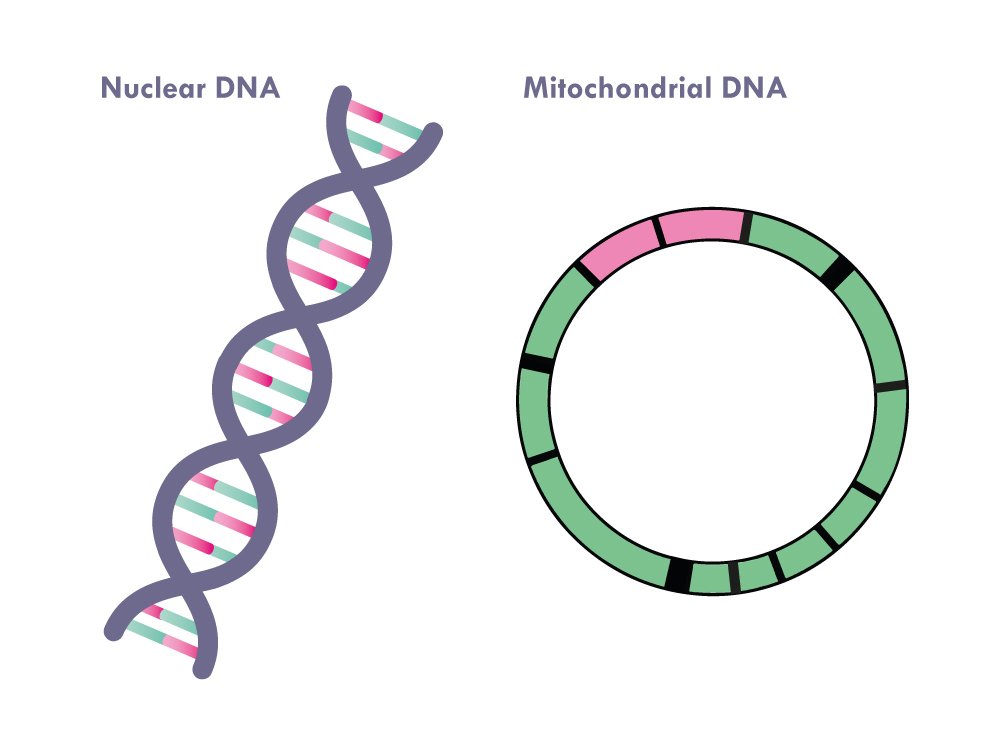
Mitochondrial DNA and nuclear DNA – what’s the difference?

Humans rely on two types of DNA: nuclear DNA and mitochondrial DNA, each with distinct roles in how the body functions. While nuclear DNA determines our physical traits and biological processes, mitochondrial DNA is essential for energy production within cells. Understanding the difference between these two types of DNA is key to understanding how some types of mitochondrial disease develop and are inherited.

Science unwrapped
18 February 2026

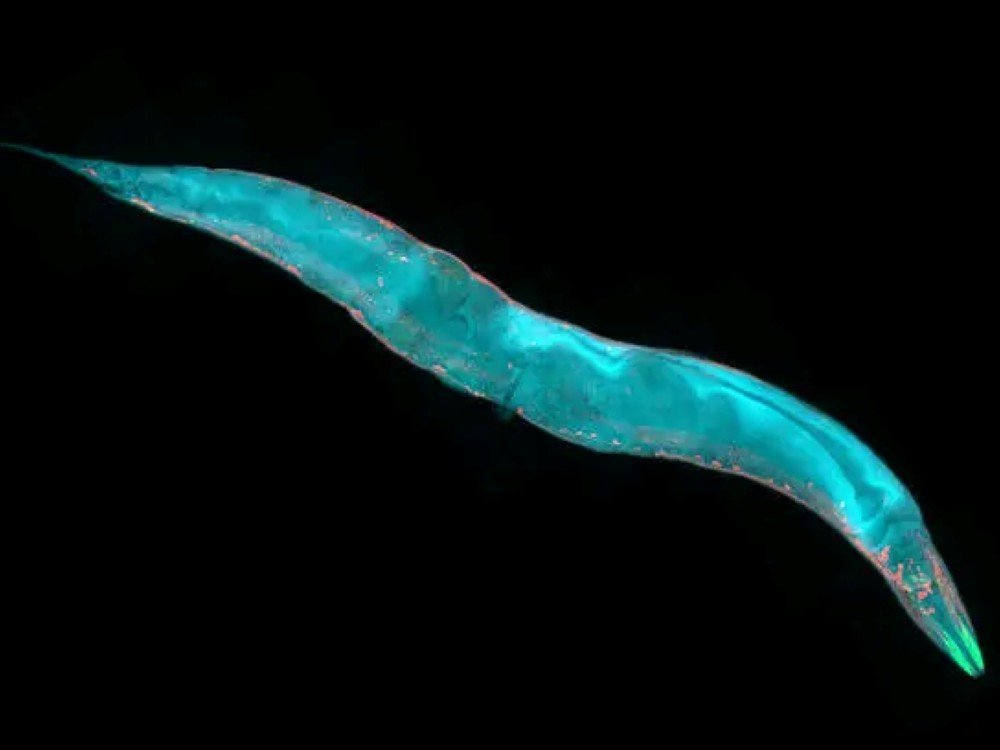
Why worms matter: using C. elegans to understand mitochondrial disease

At first glance it might seem surprising that a microscopic worm can tell us anything meaningful about human conditions, but C. elegans is one of the most powerful tools in biomedical research. This article explores why worms are so useful, what they can (and can’t) tell us and what happens when something promising is discovered in a worm...

Science unwrapped
4 February 2026

Understanding inheritance patterns in mitochondrial disease

Mitochondrial disease can be inherited in several different ways, which is one reason it can be so confusing to patients and families. The pattern of inheritance depends on where the genetic change occurs, and understanding these differences is the first step towards making sense of how the condition is passed on and why it can look so different from one person to another.

Science unwrapped
22 October 2025

Why are biomarkers in mitochondrial disease so hard to find?

Biomarkers are like windows into how mitochondria are working, but finding the right window, with a clear view, takes time and precision. The good news? Science is making steady progress, especially thanks to the LifeArc Centre for Rare Mitochondrial Diseases. Every small step brings us closer to understanding, diagnosing and treating mitochondrial disease more effectively.

The Lily Foundation’s Research Zone is your go-to resource for mitochondrial disease news, views and research updates. Connect with the latest developments in genetics, cellular biology and mitochondrial dysfunction to better understand and manage mitochondrial disorders.