

Research Zone. categories: Research on the road,Re… - The Lily Foundation
The Lily Foundation logo featuring a butterfly, hearts and an 'x' for a kiss

Fighting mito,
finding hope.

Logo of the Lily Foundation's Research Zone Logo of the Lily Foundation's Research Zone

Research Zone

Welcome to The Lily Foundation’s Research Zone, your gateway to the latest breakthroughs, expert insights and cutting-edge developments in mitochondrial disease research.

Advancing mitochondrial disease research is vital for driving progress in understanding, diagnosing and treating this complex condition. The innovative projects and collaborations that are taking place right now are not only advancing science but also bringing hope to the patients and families who are part of our community.

Our hub will bring you the latest news, thought-provoking views and easy-to-understand summaries of ground-breaking studies. Stay connected with the people who are driving advances in mito research and explore how their pioneering work is paving the way towards better treatments and brighter futures, from clinical trials to emerging therapies. Step into a world where the fight against mitochondrial disease is happening every day.


Filter by category:

All Articles Research on the road Researcher spotlight PPIE round-up Science unwrapped Journal club Trials hub

Journal club
11 September 2026

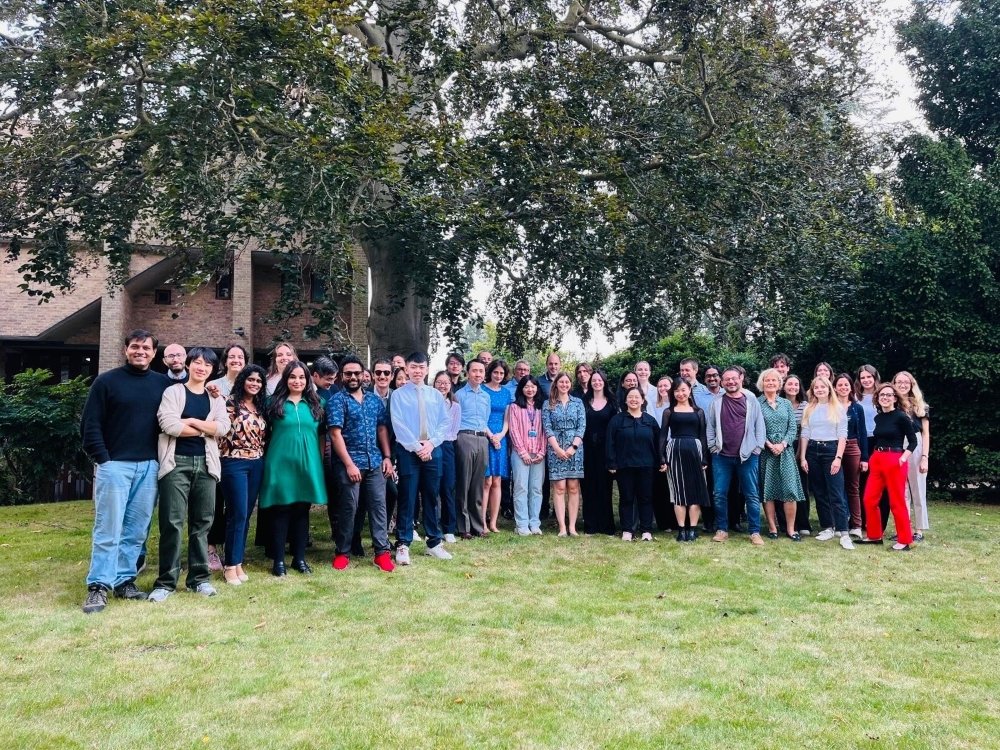
Marking 25 years of progress in mitochondrial disease research

25 years ago, we were downloading songs on Napster, sending text messages on Nokia phones and wondering whether reality TV was a passing fad. At the same time, scientists studying mitochondrial disease were working with far fewer genetic tools than they have today. Since then, both technology and medicine have changed more than any of us could imagine…

PPIE round-up
8 September 2026

Measuring what matters in mitochondrial disease trials

When evaluating new treatments for mitochondrial disease, scientific measures like blood tests and clinical scores only tell part of the story. In this article, we explore why patient input is essential to shaping meaningful clinical trials, highlighting a recent study that shows how listening to lived experiences ensures trial outcomes reflect what truly matters to patients.

Journal club
16 July 2026

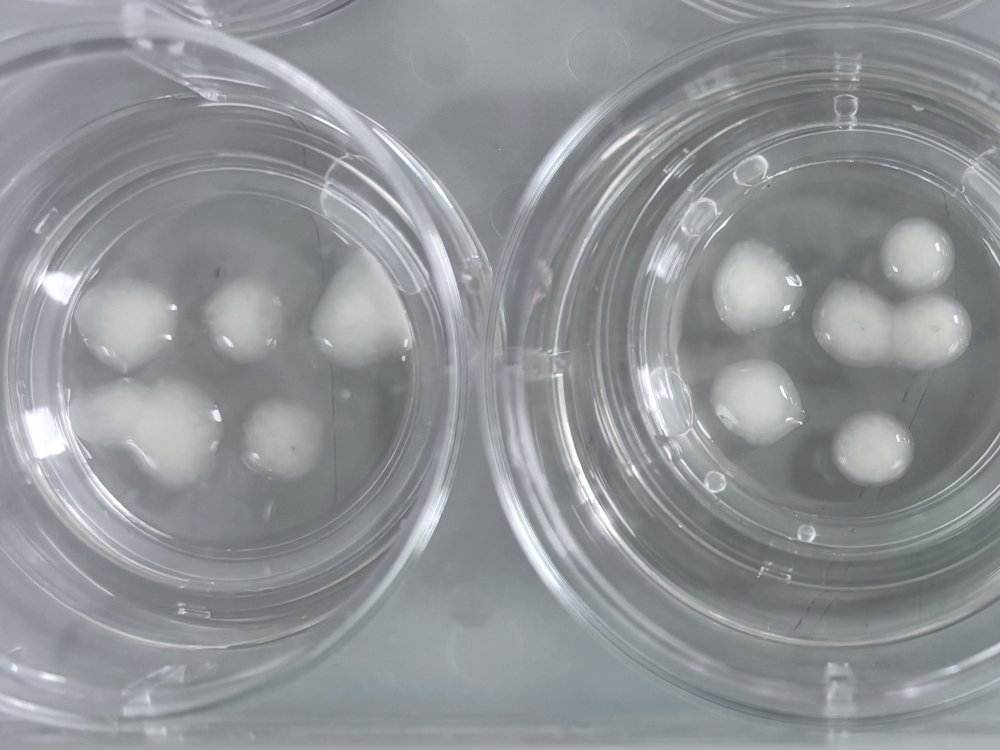
How ‘mini brains’ are helping scientists study mitochondrial disease

A new study published in Nature Communications has used laboratory-grown ‘mini brains’ to investigate why mitochondrial disease can have such serious effects on the brain. Here we explore how this project has been used to study a common mitochondrial DNA mutation known as m.3243A>G and associated with the condition MELAS.

Trials hub
19 June 2026

What clinical trials really mean – lessons from the RENEO studies in mitochondrial disease

Research studies are a bit like learning to drive – you start with the theory, practise under careful supervision and improve along the way. Not every driving test ends with a pass, but each lesson helps you become a better driver – and the same is true for clinical trials. While not every study leads directly to a new treatment, each provides valuable insights for the future. Find out what the recent RENEO studies can teach us, and why participation in clinical trials matters.

Research on the road
19 May 2026

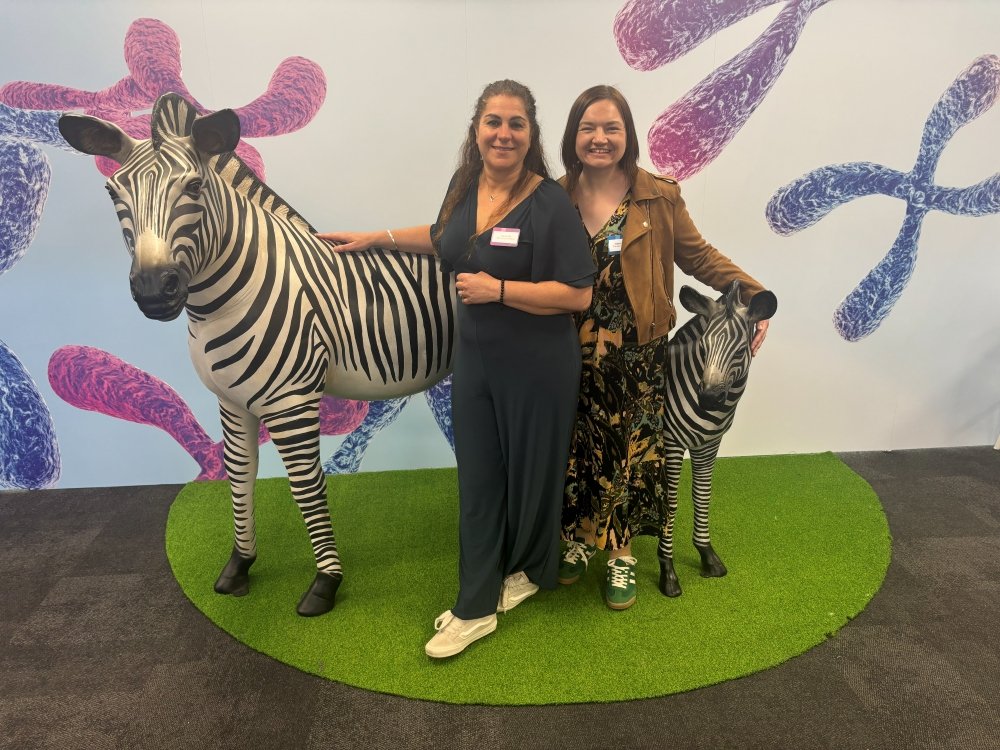
From London to Cambridge and back again in support of the patient voice

This May, our CEO and Founder, Liz Curtis, and Head of Patient Programmes, Katie Waller, headed out on the road to represent The Lily Foundation at three influential meetings shaping the future of mitochondrial research and care. From London to Cambridge and back again, the message was clear: patient voices don’t belong on the sidelines – they belong in the room.

Science unwrapped
25 April 2026

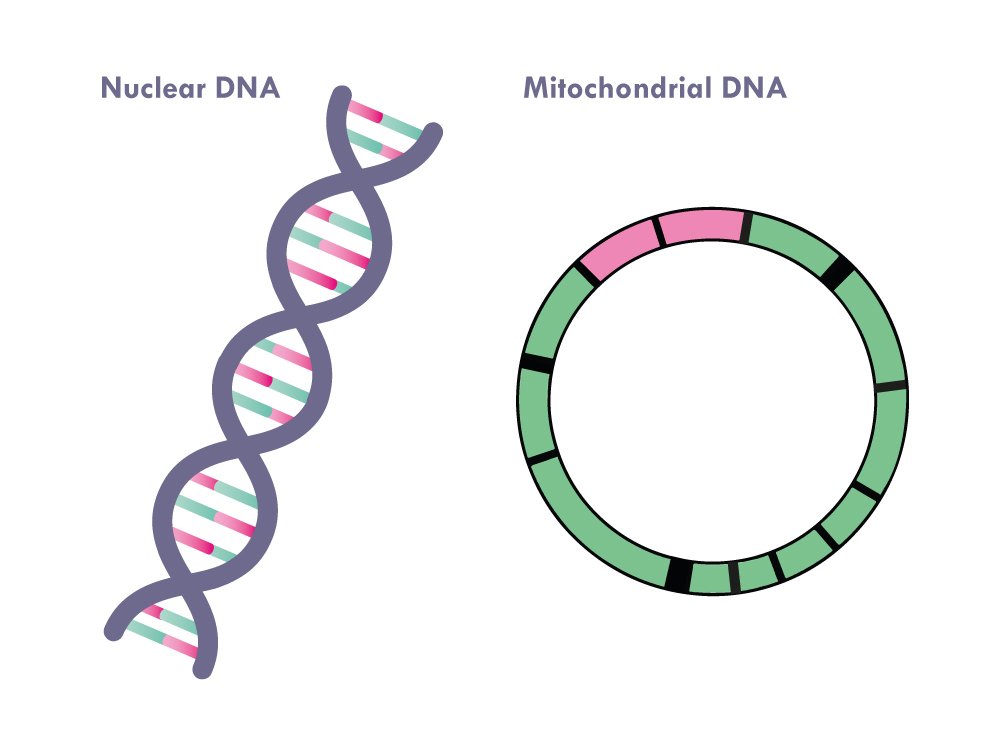
Mitochondrial DNA and nuclear DNA – what’s the difference?

Humans rely on two types of DNA: nuclear DNA and mitochondrial DNA, each with distinct roles in how the body functions. While nuclear DNA determines our physical traits and biological processes, mitochondrial DNA is essential for energy production within cells. Understanding the difference between these two types of DNA is key to understanding how some types of mitochondrial disease develop and are inherited.

The Lily Foundation’s Research Zone is your go-to resource for mitochondrial disease news, views and research updates. Connect with the latest developments in genetics, cellular biology and mitochondrial dysfunction to better understand and manage mitochondrial disorders.